An air source heat pump is becoming one of the most popular low carbon heating options for homes across the UK. As energy prices rise and more households look for efficient ways to stay warm, heat pumps offer an attractive alternative to traditional heating systems. They work by extracting heat from the outdoor air and transferring it into your home, providing reliable warmth and hot water throughout the year.
This guide explains how an air source heat pump works in simple, homeowner friendly terms. We cover what a heat pump is, the main components inside it, how it heats your home, how well it performs in cold weather and how it compares to a gas boiler. You will also find clear answers to common questions such as running costs, lifespan and planning requirements.
If you are considering upgrading your heating system, this guide gives you everything you need to understand how an air source heat pump could benefit your home.
An air source heat pump is a renewable heating system that uses outside air to warm your home. Instead of burning fuel like a gas or oil boiler, a heat pump works by moving existing heat energy from one place to another. Even on cold days, the air contains enough heat for a pump to extract and convert into usable warmth.
There are two main types of air source heat pumps: air to water and air to air. Air to water systems are most common in the UK and heat radiators, underfloor heating and hot water cylinders. Air to air systems blow warm air directly into your rooms.
Air source heat pumps are highly efficient because they use electricity to transfer heat rather than generate it. For every unit of electricity used, they can produce several units of heat. This makes them an energy efficient way to cut heating bills, reduce carbon emissions and improve comfort throughout your home.
An air source heat pump absorbs heat from the outside air and transfers it into your home using a simple refrigeration cycle, similar to how a fridge works in reverse.
The system pulls outside air across an evaporator filled with refrigerant. This refrigerant evaporates at very low temperatures and absorbs heat from the air as it turns into a gas. The gas then enters a compressor, which increases its temperature and pressure.
This hot, high pressure gas flows into a condenser, where it releases heat into your heating system. As it cools, it returns to a liquid state. The liquid then passes through an expansion valve, lowering the pressure and temperature before returning to the evaporator to repeat the process.
This constant loop allows the heat pump to extract heat even when the outside air feels cold. Because the system moves heat instead of generating it, it achieves high levels of efficiency and delivers steady, reliable warmth.
An air source heat pump includes several key components that work together to capture and deliver heat.
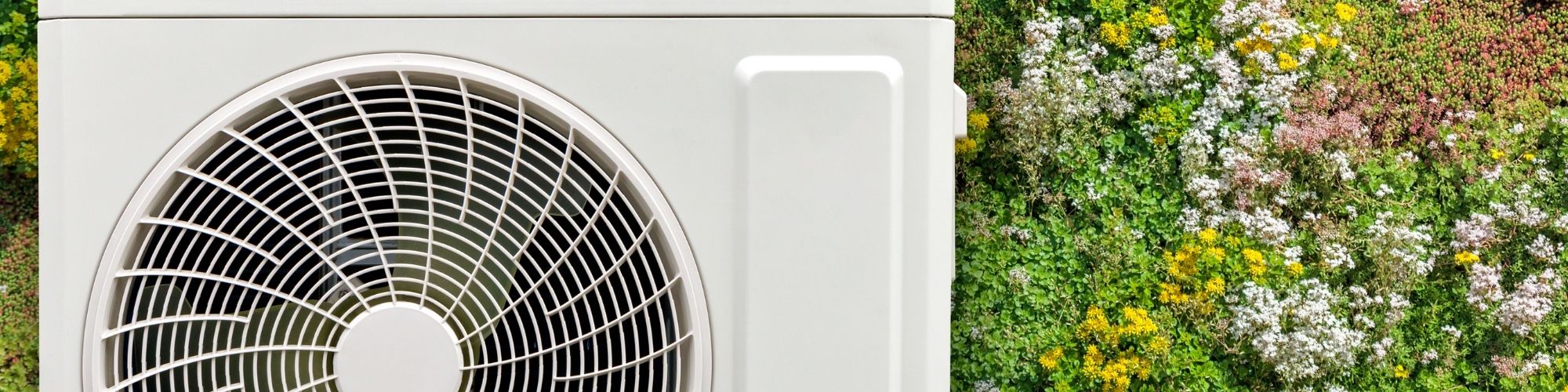
The outdoor unit contains the fan, evaporator coil, compressor and expansion valve. The fan draws air across the evaporator coil so the refrigerant can absorb heat. The compressor increases the pressure and temperature of the refrigerant, preparing it to heat your home.
The evaporator absorbs heat from the air, while the condenser, often inside the home, transfers this heat into your radiators, underfloor heating or hot water cylinder. The expansion valve cools the refrigerant before it returns to the evaporator to repeat the cycle.
Together, these components form a simple but effective system that delivers renewable heat throughout the home.
An air source heat pump heats your home by transferring heat from the outdoor air into your central heating system. After the refrigerant has been heated and compressed, it flows through the condenser, where its energy warms water for radiators, underfloor heating or a hot water cylinder.
Because heat pumps operate at lower temperatures than gas boilers, they work best with well insulated homes or larger radiators. Instead of short bursts of high heat, they provide steady, consistent warmth. Many people find this more comfortable and energy efficient.
The system can also heat domestic hot water. A coil inside your hot water cylinder absorbs heat from the pump, providing warm water for taps, showers and appliances.
The result is a complete, energy efficient solution for home heating and hot water.
Yes, air source heat pumps are designed to work in cold weather. Modern systems can extract heat from the air at temperatures as low as minus 15 degrees Celsius. Although efficiency decreases as the temperature drops, the heat pump still operates effectively.
The refrigerant inside the system evaporates at very low temperatures, allowing it to absorb heat even when the air feels freezing. The compressor then boosts the temperature so it can be used for home heating and hot water.
On very cold days, the system may run for longer to maintain indoor temperatures. Some heat pumps include a backup heating element, although this is used only when needed. Good home insulation plays a key role in maintaining performance during winter.
Air source heat pumps are well suited to the UK climate and can provide reliable warmth all year round.
Air source heat pumps are highly efficient because they move heat rather than produce it. Their efficiency is measured by a coefficient of performance, or COP. For example, a COP of 3 means the system produces three units of heat for every one unit of electricity used.
Modern heat pumps typically achieve COP values between 2.5 and 4, depending on outdoor temperatures, home insulation and system design. In comparison, a gas boiler operates at around 90 percent efficiency, meaning heat pumps often deliver more energy for less.
Efficiency is highest when paired with good insulation, larger radiators or underfloor heating. Homeowners can improve performance further by maintaining the system and ensuring it is correctly sized for the property.
The combination of low running costs and reduced carbon emissions makes air source heat pumps one of the most efficient heating options available.
Air source heat pumps and gas boilers both provide heating, but they operate differently. A gas boiler burns fuel to create heat, while an air source heat pump transfers existing heat from the air into your home.
Boilers deliver high temperature heat quickly but rely on fossil fuels, which are rising in cost and contribute to carbon emissions. Heat pumps operate at lower temperatures, offering steady and comfortable warmth ideally suited to well insulated homes.
In terms of efficiency, heat pumps outperform boilers. They can generate several units of heat per unit of electricity used, whereas boilers are limited to around 90 percent efficiency. Heat pumps are also cleaner, safer and quieter because they do not burn fuel.
Although heat pumps have higher upfront installation costs, their lower running costs, long lifespan and environmental benefits make them a strong long term investment.
The size of heat pump you need depends on your home’s heat demand. Factors include property size, insulation levels, number of occupants and heating system design.
A heating engineer will carry out a heat loss survey to determine the correct size. An undersized heat pump will struggle to warm your home, while an oversized one may operate inefficiently.
Most UK homes require units between 5 kW and 14 kW, but a proper assessment ensures accuracy. Good insulation helps reduce the size and running costs of the system.
Choosing the right size heat pump ensures comfort, efficiency and long term reliability.
Running costs depend on insulation, electricity tariffs and system design. In well insulated homes, heat pumps can be cheaper to run than gas boilers because they produce more heat than the electricity they use.
Most air source heat pumps last between 15 and 20 years with regular maintenance. Heat pumps have fewer moving parts than boilers, which helps extend their lifespan.
Yes, air source heat pumps can provide hot water through a compatible hot water cylinder. They transfer heat into the cylinder for taps, showers and appliances.
Most installations fall under permitted development rights, so planning permission is not usually required. Exceptions may apply in flats, listed buildings or conservation areas.