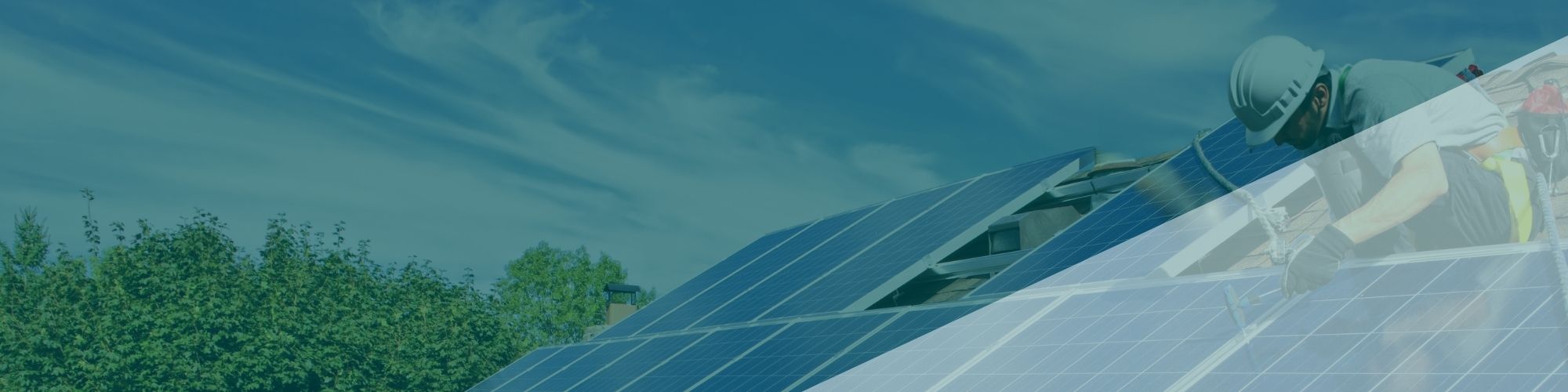
One of the boldest parts of the Warm Homes Plan is its push on home-generated energy: a commitment to triple the number of homes with solar panels, low and zero-interest loans for solar, batteries and heat pumps, and a new standard that will see solar fitted as standard on new builds. After years of stop-start policy, that is a real shift, and a welcome one.
But it is worth remembering how the last decade of renewables actually played out. The homes that ended up with solar panels and heat pumps were mostly the ones that could afford the upfront cost or were comfortable taking on finance: owner-occupiers, higher earners, people with good credit. The households who would gain the most from cheaper energy they generate themselves, those on low incomes, in social housing, or already behind on their bills, largely missed out. If the new funding flows to wherever it is easiest to install, we will end up widening the very gap the plan is meant to close, with poorer households still paying full price for their energy while their neighbours quietly generate their own.
Loans are part of the answer, but only for people who can borrow. If you are already in arrears, or you have spent the last few years frightened of every bill, you are not going to take on finance for a heat pump, however good the interest rate. For those households the way in has to be grant-funded, and it relies on someone who can check what they qualify for, bring different pots of funding together, and stay alongside them through what is a fairly disruptive piece of work. Without that, the money simply goes where uptake is quickest.
There is a practical point too. Solar panels or a heat pump fitted to a cold, draughty home will not perform, and the household can end up disappointed and no better off on their bills. In lower-income homes especially, getting the basics right first, the insulation and the ventilation, is what lets renewables actually bring bills down. They need to be planned as part of doing the whole house properly, rather than added on their own.
This is the work we do every day. We help low-income and vulnerable households get to funded solar, heat pumps and the upgrades that make them worthwhile, by sorting out eligibility, combining the funding, and supporting people through the installation. As a Community Interest Company, we are measured by who we reach rather than by which jobs pay best, so we can take on the harder cases that a purely commercial installer would tend to walk past.
For local authorities, social landlords and suppliers, the real question isn’t only how many homes end up with solar. It is which homes. If funded renewables are designed around the people least able to pay, and delivered by partners who can genuinely reach them, this becomes a fairer transition rather than another scheme that passes struggling households by.
If you are working out how funded solar and heat pumps can reach lower-income homes in your area, we’d be glad to talk.